Compreender as carreiras jurídicas modernas
Reconhecer funções em operações jurídicas, tecnologia jurídica, gestão de projetos, analytics, inovação, precificação e gestão de negócios.
A LegalOpsKPIs colabora com universidades e faculdades de direito para conectar o ensino jurídico à forma como departamentos jurídicos, escritórios de advocacia e organizações de serviços jurídicos modernos usam dados, tecnologia, processos e julgamento de negócio.
Os estudantes estão entrando em uma profissão moldada por departamentos jurídicos corporativos, economia de escritórios de advocacia, tecnologia jurídica, IA, dados, gestão de projetos, expectativas de clientes e equipes multidisciplinares.
Muitos estudantes têm pouco contato com a forma como organizações jurídicas definem valor, medem desempenho, alocam recursos, se comunicam com líderes de negócio e melhoram a entrega do trabalho.
Como o trabalho jurídico cria e mede valor
Informação transformada em KPIs e decisões
Tecnologia jurídica e IA avaliadas pelos resultados
Complexidade transformada em algo claro e acionável
Cada programa conecta conceitos jurídicos às habilidades operacionais, analíticas, técnicas e de comunicação usadas nas carreiras jurídicas modernas.
Reconhecer funções em operações jurídicas, tecnologia jurídica, gestão de projetos, analytics, inovação, precificação e gestão de negócios.
Colaborar com Finanças, TI, compras, equipes de dados e stakeholders de negócio usando uma linguagem comum de resolução de problemas.
Explicar como departamentos jurídicos e escritórios de advocacia definem valor, gerenciam demanda, alocam recursos e apoiam decisões organizacionais.
Escolher um conjunto objetivo de métricas para um fluxo de trabalho jurídico, uma questão de gestão, uma promessa ao cliente ou um objetivo de melhoria.
Transformar informação bruta em um visual claro, um argumento e uma recomendação que um cliente ou líder consiga entender.
Avaliar ferramentas pelos resultados, pela adoção, pelo risco, pela qualidade, pelo impacto nos processos e pelo julgamento humano, e não apenas por funcionalidades ou pelo entusiasmo do momento.
Os formatos podem se encaixar em uma disciplina existente ou evoluir para uma experiência de aprendizagem aplicada mais longa. Os programas podem ser presenciais, on-line ou híbridos.
Uma introdução objetiva com espaço para discussão em uma disciplina existente, um ciclo de palestras, um programa de carreira ou um evento estudantil.
Discussão interativa, exemplos de casos, seleção de KPIs, interpretação de dados, mapeamento de processos e exercícios individuais ou em grupo.
Leituras, trabalhos, atividades em grupo e uma apresentação final opcional dentro de um curso existente ou como programa curto independente.
Um módulo ou curso co-desenhado que pode usar Legal Operations KPIs ou Law Firm KPIs como texto de referência e incluir casos, trabalhos ou apoio à avaliação.
Os temas podem ser combinados, sequenciados e ajustados ao nível dos estudantes, aos objetivos do curso, ao tempo disponível e às necessidades de avaliação acadêmica.
Como departamentos jurídicos e escritórios de advocacia gerenciam trabalho, recursos, desempenho e prioridades de negócio.
Funções em operações jurídicas, gestão de projetos, tecnologia, analytics, inovação e serviços de negócio.
Casos de uso, adoção, governança, risco, qualidade, supervisão humana e impacto no negócio.
Planejamento de casos, desenho de fluxos de trabalho, coordenação, tempo de ciclo, capacidade e gargalos.
Seleção de métricas, definições de KPIs, metas, indicadores antecedentes e de resultado, e erros comuns de medição.
Dashboards, resumos executivos, memorandos de decisão e apresentação clara de resultados.
Precificação, acordos alternativos de honorários, alavancagem, realização, rentabilidade e relatórios para o cliente.
Gasto jurídico, alocação de recursos, gestão da demanda, desempenho de fornecedores e supervisão de casos.
Adoção, gestão da mudança, confiança, ética, responsabilidade profissional e revisão humana.
Oportunidades de carreira que combinam conhecimento jurídico com operações, analytics, tecnologia e negócios.
A universidade e a LegalOpsKPIs alinham o programa ao contexto acadêmico antes de desenhar a sessão.
Discutir com o corpo docente o curso, o perfil dos estudantes, os resultados de aprendizagem, o conhecimento prévio, o cronograma e as prioridades institucionais.
Definir o formato, os temas, os casos, a terminologia, o grau de aplicação prática e as expectativas de trabalhos ou avaliação.
Mori conduz a aula, o workshop, o módulo ou a sessão executiva, com apoio de membros da equipe da LegalOpsKPIs ou de profissionais convidados quando o programa se beneficia de perspectivas adicionais.
Fornecer leituras, materiais de referência, modelos, trabalhos ou recursos para o corpo docente que apoiem o estudo contínuo após a sessão.
Palestras, workshops, mesas-redondas e programas colaborativos selecionados, conduzidos por Mori Kabiri por meio da LegalOpsKPIs, conectando estudantes e professores a operações jurídicas, dados, tecnologia, negócios e novas trajetórias de carreira.
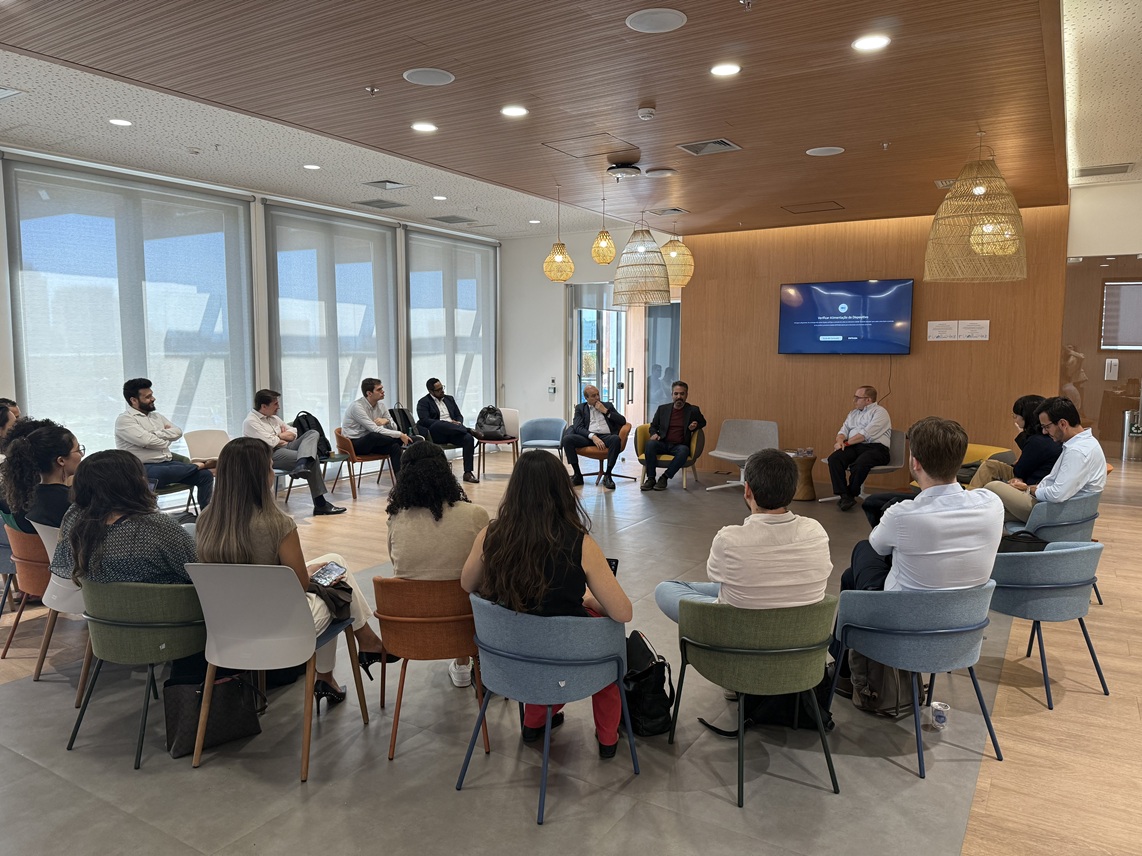
 Trinity College Dublin
AI, Data, Business Skills, and Emerging Career Paths

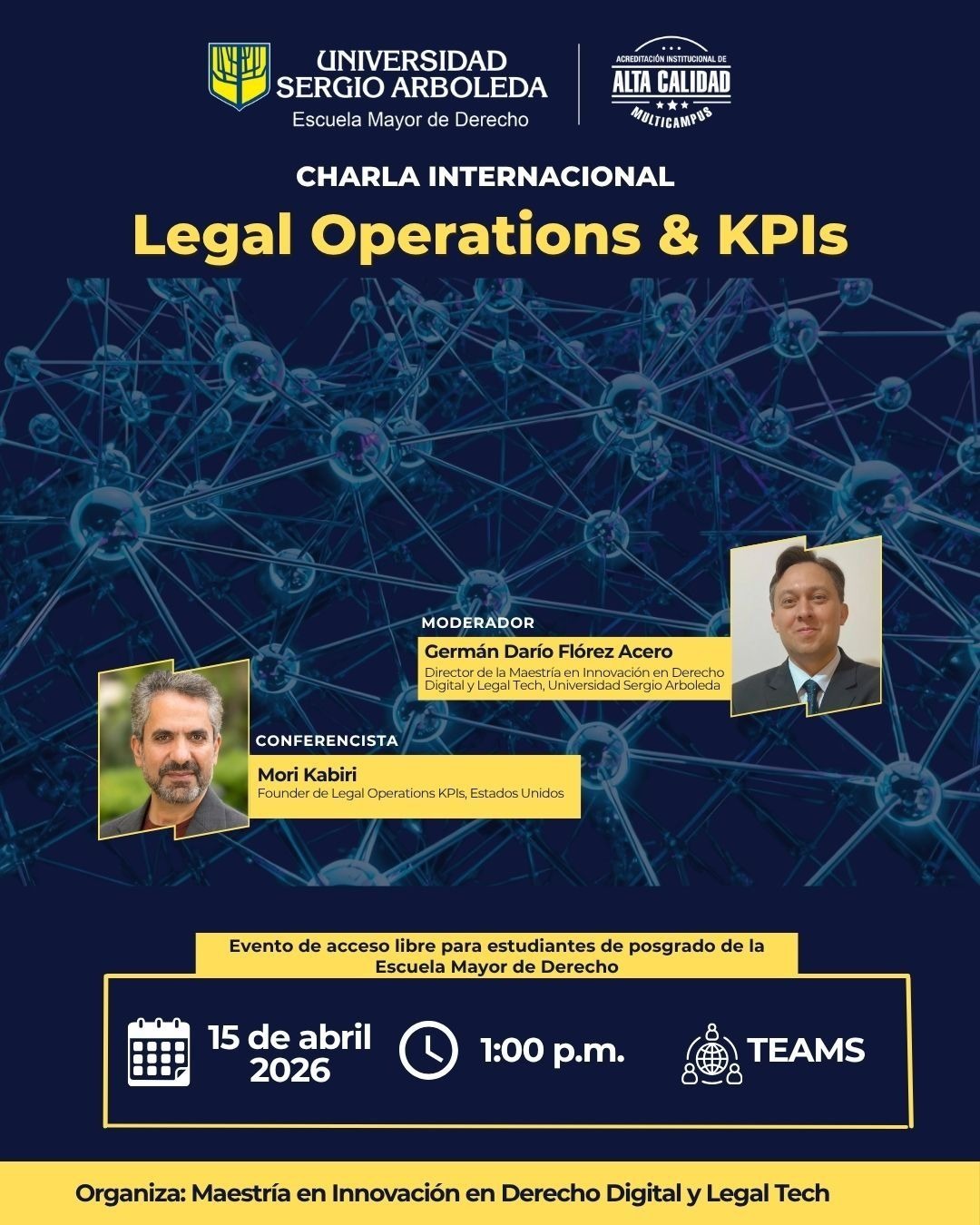
 Universidad Sergio Arboleda
Preparing the Future Lawyer for an AI-Accelerated, Global Profession
 Swansea University
The Future of Commercial Law Careers in the AI Era

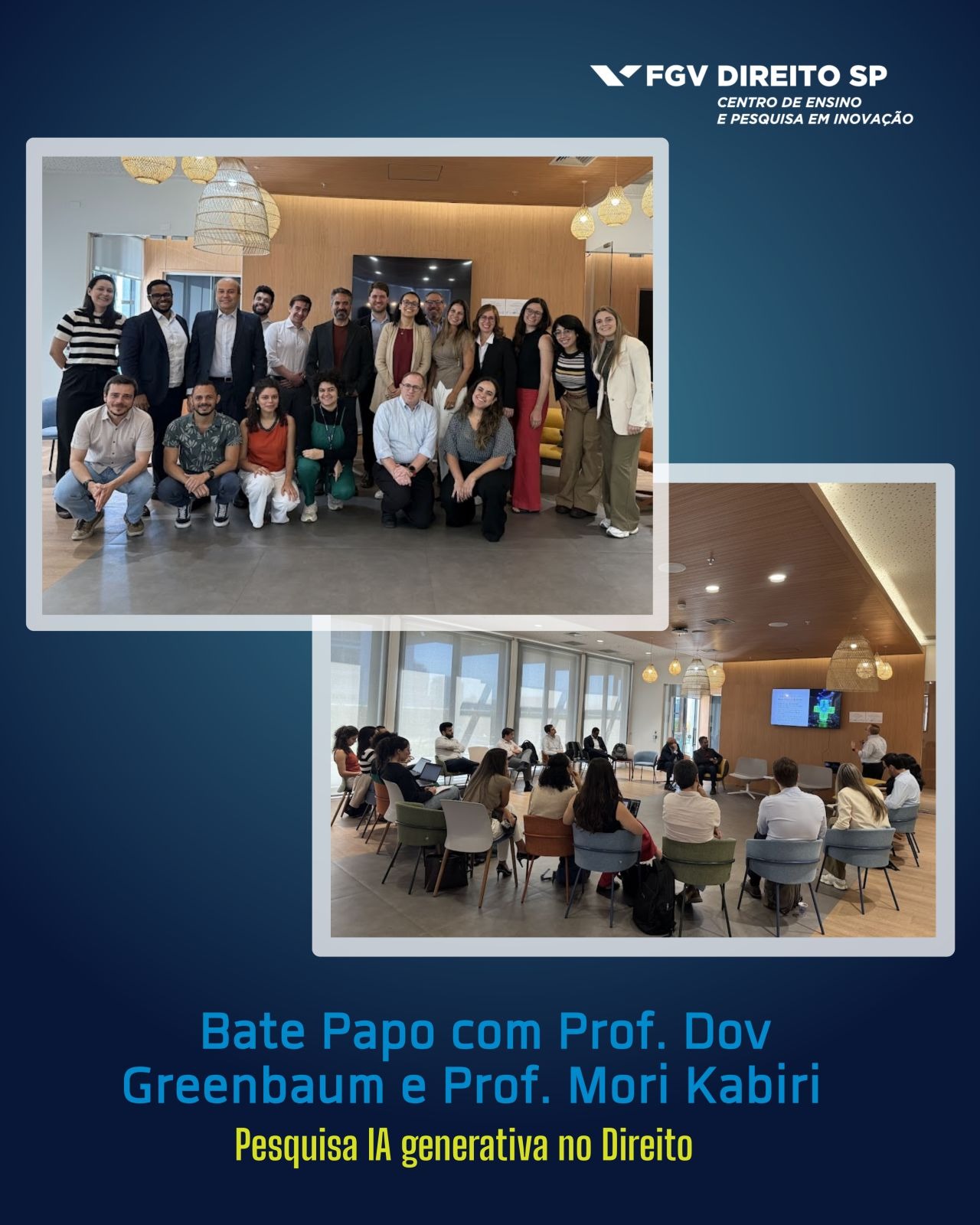
 Fundação Getulio Vargas
Future of Legal Practice in Brazil and Beyond
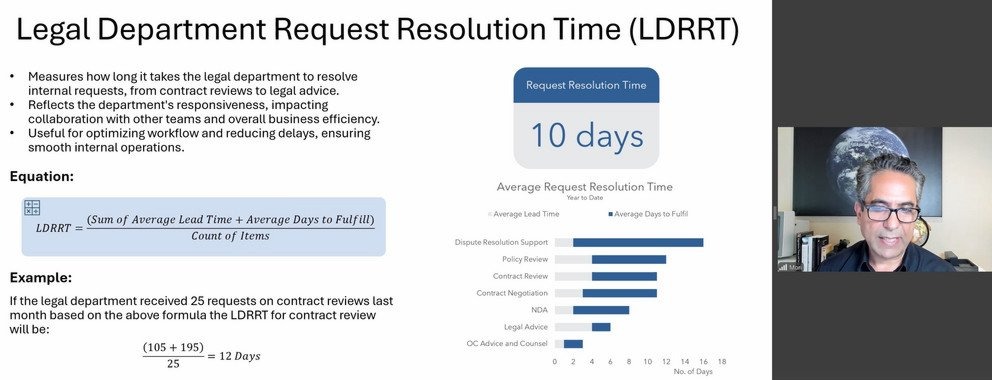
 University of Passau
Transforming Databases into Informed Decisions
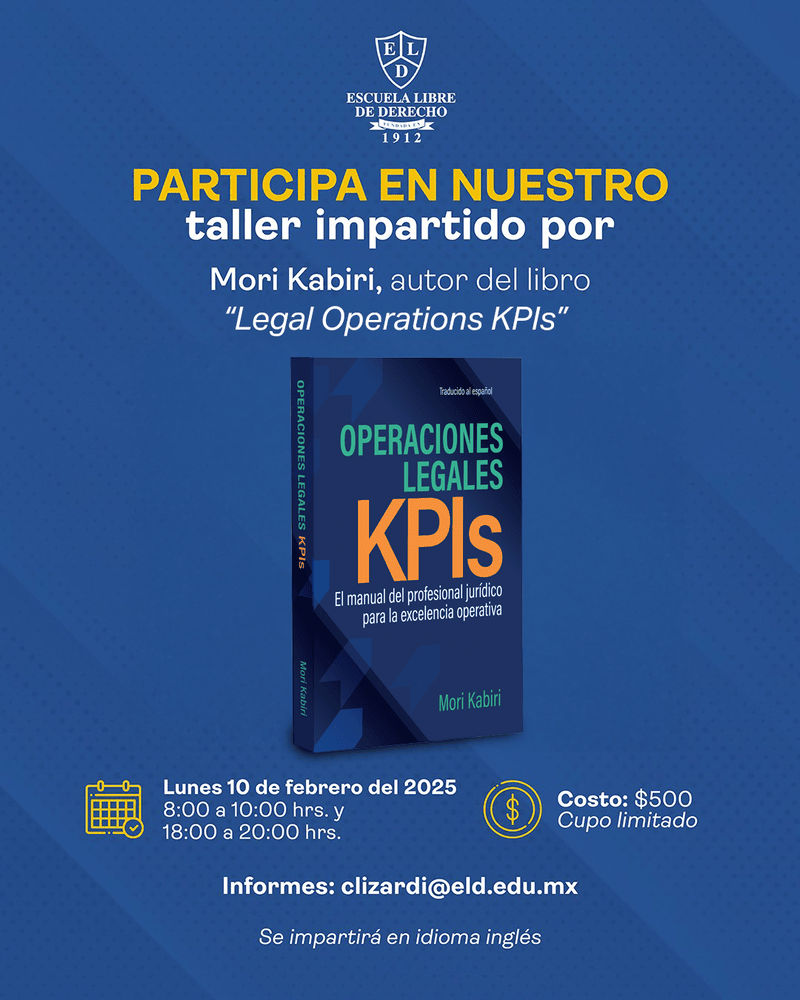
 Escuela Libre de Derecho
Herramientas prácticas para aplicar datos y métricas en la gestión legal moderna
“[A palestra universitária] foi magnífica. Mori conduziu uma sessão inspiradora e muito prática, que recebeu excelente feedback dos nossos alunos.”

“[A palestra na Universidade de Passau] utilizou exemplos práticos e casos de uso para mostrar como a visualização de dados e o data storytelling podem melhorar a interpretação das análises e apoiar decisões empresariais melhores.”

“[O webinar universitário de Mori] ampliou a visão dos alunos sobre caminhos alternativos na carreira jurídica e ofereceu orientação prática sobre os próximos passos.”

“Obrigado pela apresentação e pelo seu tempo. Sua perspectiva agregou grande valor à aula, e os alunos claramente aprenderam muito e aproveitaram a sessão.”

“Obrigado pela palestra envolvente e pelos insights únicos sobre Legal Operations!”


“Foi uma experiência muito positiva. Os alunos estiveram engajados durante toda a sessão, fazendo perguntas reflexivas e contribuindo ativamente para a discussão. Teremos prazer em recebê-lo novamente em outra oportunidade.”


“Foi um prazer receber Mori Kabiri [na HKU] para discutir seu framework de KPIs para escritórios de advocacia e departamentos jurídicos.”


“[A mesa-redonda da FGV Direito SP] trouxe valiosos insights internacionais sobre os desafios éticos, regulatórios e práticos da IA generativa na profissão jurídica. A discussão conectou a experiência global às realidades enfrentadas por profissionais e instituições jurídicas.”

“Sinceros agradecimentos a Mori por oferecer [aos nossos alunos do Trinity College Dublin] esta oportunidade.”

“Foi um prazer recebê-lo. Obrigado por compartilhar seu conhecimento com tanta generosidade. Também somos gratos pela oportunidade de acessar este livro tão oportuno e relevante. Esperamos futuras colaborações.”

Compartilhe a instituição, o curso ou programa, o nível dos estudantes, o momento, a preferência de entrega e os resultados de aprendizagem que você deseja alcançar. Vamos recomendar o formato mais adequado e o próximo passo.
 Ireland
 Colombia
 United Kingdom
 Brazil
 Germany
 Mexico
