Comprender las carreras legales modernas
Reconocer roles en operaciones legales, tecnología legal, gestión de proyectos, analítica, innovación, pricing y gestión de negocio.
LegalOpsKPIs colabora con universidades y facultades de derecho para conectar la educación legal con la forma en que los departamentos legales, las firmas de abogados y las organizaciones de servicios legales modernas usan datos, tecnología, procesos y criterio de negocio.
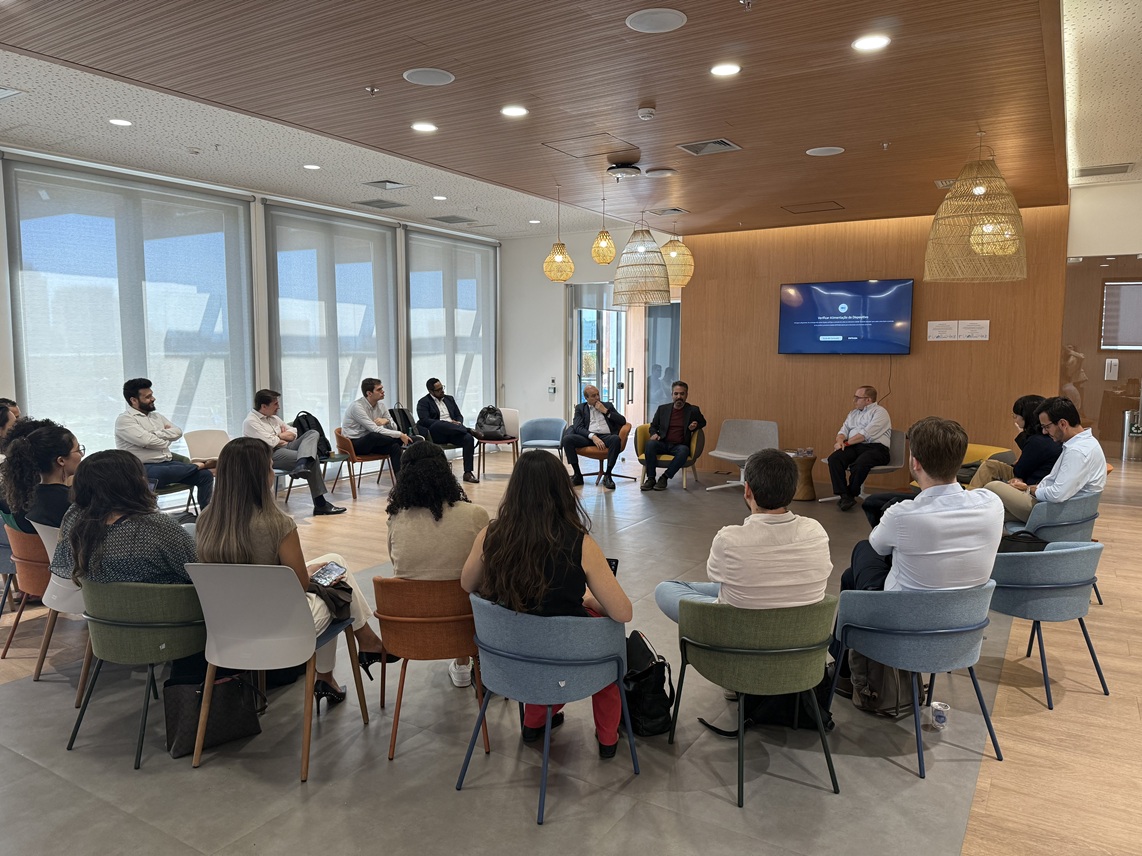
Los estudiantes ingresan a una profesión moldeada por los departamentos legales corporativos, la economía de las firmas de abogados, la tecnología legal, la IA, los datos, la gestión de proyectos, las expectativas de los clientes y los equipos multidisciplinarios.
Muchos estudiantes tienen poca exposición a cómo las organizaciones legales definen el valor, miden el desempeño, asignan recursos, se comunican con líderes de negocio y mejoran la forma de entregar el trabajo.
Cómo el trabajo legal crea y mide valor
Información convertida en KPIs y decisiones
Tecnología legal e IA evaluadas por sus resultados
Complejidad convertida en algo claro y accionable
Cada programa conecta los conceptos legales con las habilidades operativas, analíticas, técnicas y de comunicación que se usan en las carreras legales modernas.
Reconocer roles en operaciones legales, tecnología legal, gestión de proyectos, analítica, innovación, pricing y gestión de negocio.
Colaborar con Finanzas, TI, compras, equipos de datos e interesados de negocio usando un lenguaje común para resolver problemas.
Explicar cómo los departamentos legales y las firmas de abogados definen el valor, gestionan la demanda, asignan recursos y respaldan las decisiones organizacionales.
Elegir un conjunto acotado de métricas para un flujo de trabajo legal, una pregunta de gestión, una promesa al cliente o un objetivo de mejora.
Pasar de información bruta a un visual claro, un argumento y una recomendación que un cliente o líder pueda comprender.
Evaluar las herramientas por sus resultados, adopción, riesgo, calidad, impacto en los procesos y criterio humano, y no solo por sus funciones o el entusiasmo que generan.
Los formatos pueden encajar en una clase existente o crecer hacia una experiencia de aprendizaje aplicado más extensa. Los programas pueden ser presenciales, virtuales o híbridos.
Una introducción enfocada con espacio de discusión para una clase existente, un ciclo de conferencias, un programa de carrera o un evento estudiantil.
Discusión interactiva, casos de ejemplo, selección de KPIs, interpretación de datos, mapeo de procesos y ejercicios individuales o grupales.
Lecturas, tareas, trabajo en grupo y una presentación final opcional dentro de un curso existente o como programa corto independiente.
Un módulo o curso co-diseñado que puede usar Legal Operations KPIs o Law Firm KPIs como texto de referencia e incluir casos, tareas o apoyo para la evaluación.
Los temas pueden combinarse, secuenciarse y ajustarse al nivel de los estudiantes, los objetivos del curso, el tiempo disponible y las necesidades de evaluación académica.
Cómo los departamentos legales y las firmas de abogados gestionan el trabajo, los recursos, el desempeño y las prioridades de negocio.
Roles en operaciones legales, gestión de proyectos, tecnología, analítica, innovación y servicios de negocio.
Casos de uso, adopción, gobernanza, riesgo, calidad, supervisión humana e impacto en el negocio.
Planificación de casos, diseño de flujos de trabajo, coordinación, tiempo de ciclo, capacidad y cuellos de botella.
Selección de métricas, definiciones de KPIs, metas, indicadores adelantados y rezagados, y errores comunes de medición.
Dashboards, resúmenes ejecutivos, memos de decisión y presentación clara de hallazgos.
Pricing, acuerdos de honorarios alternativos, apalancamiento, realización, rentabilidad y reportes al cliente.
Gasto legal, asignación de recursos, gestión de la demanda, desempeño de proveedores y supervisión de casos.
Adopción, gestión del cambio, confianza, ética, responsabilidad profesional y revisión humana.
Oportunidades de carrera que combinan conocimiento legal con operaciones, analítica, tecnología y negocio.
La universidad y LegalOpsKPIs alinean el programa con el contexto académico antes de diseñar la sesión.
Conversar con el cuerpo docente sobre el curso, el perfil de los estudiantes, los resultados de aprendizaje, los conocimientos previos, el cronograma y las prioridades institucionales.
Definir el formato, los temas, los casos, la terminología, el nivel de aplicación práctica y las expectativas de tareas o evaluación.
Mori dirige la clase, el taller, el módulo o la sesión ejecutiva, con el apoyo de miembros del equipo de LegalOpsKPIs o profesionales invitados cuando el programa se beneficia de perspectivas adicionales.
Proporcionar lecturas, materiales de referencia, plantillas, tareas o recursos para el cuerpo docente que apoyen el estudio continuo después de la sesión.
Clases magistrales, talleres, mesas redondas y programas colaborativos seleccionados, dirigidos por Mori Kabiri a través de LegalOpsKPIs, que conectan a estudiantes y docentes con las operaciones legales, los datos, la tecnología, el negocio y las nuevas trayectorias profesionales.
 Trinity College Dublin
AI, Data, Business Skills, and Emerging Career Paths

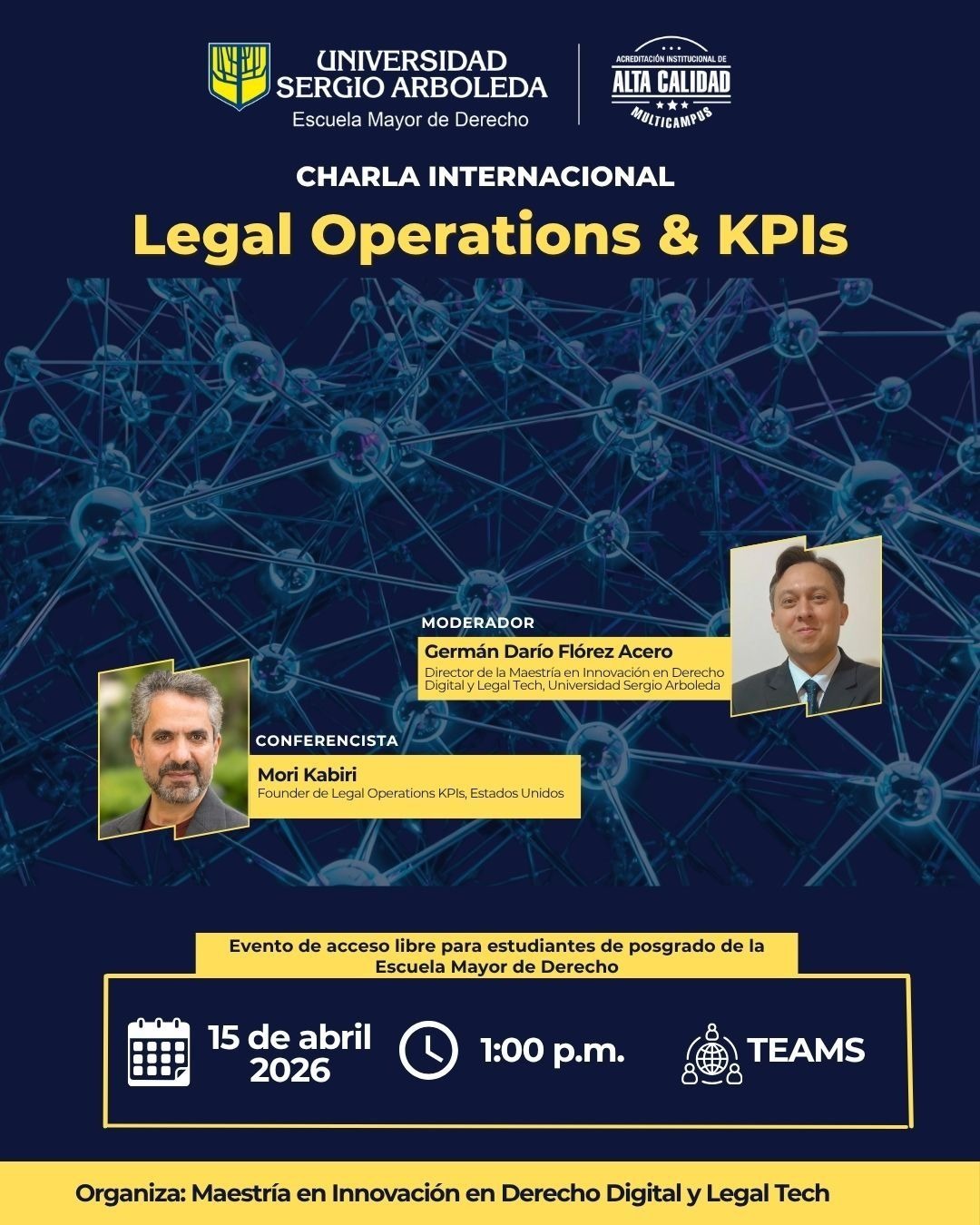
 Universidad Sergio Arboleda
Preparing the Future Lawyer for an AI-Accelerated, Global Profession
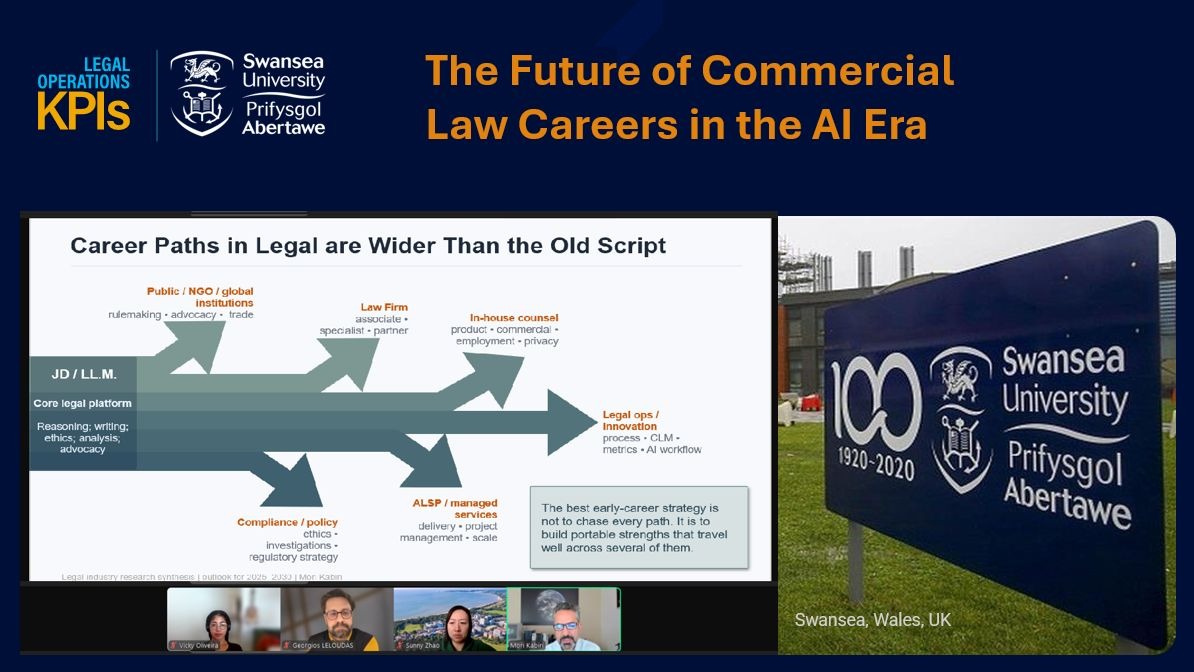
 Swansea University
The Future of Commercial Law Careers in the AI Era
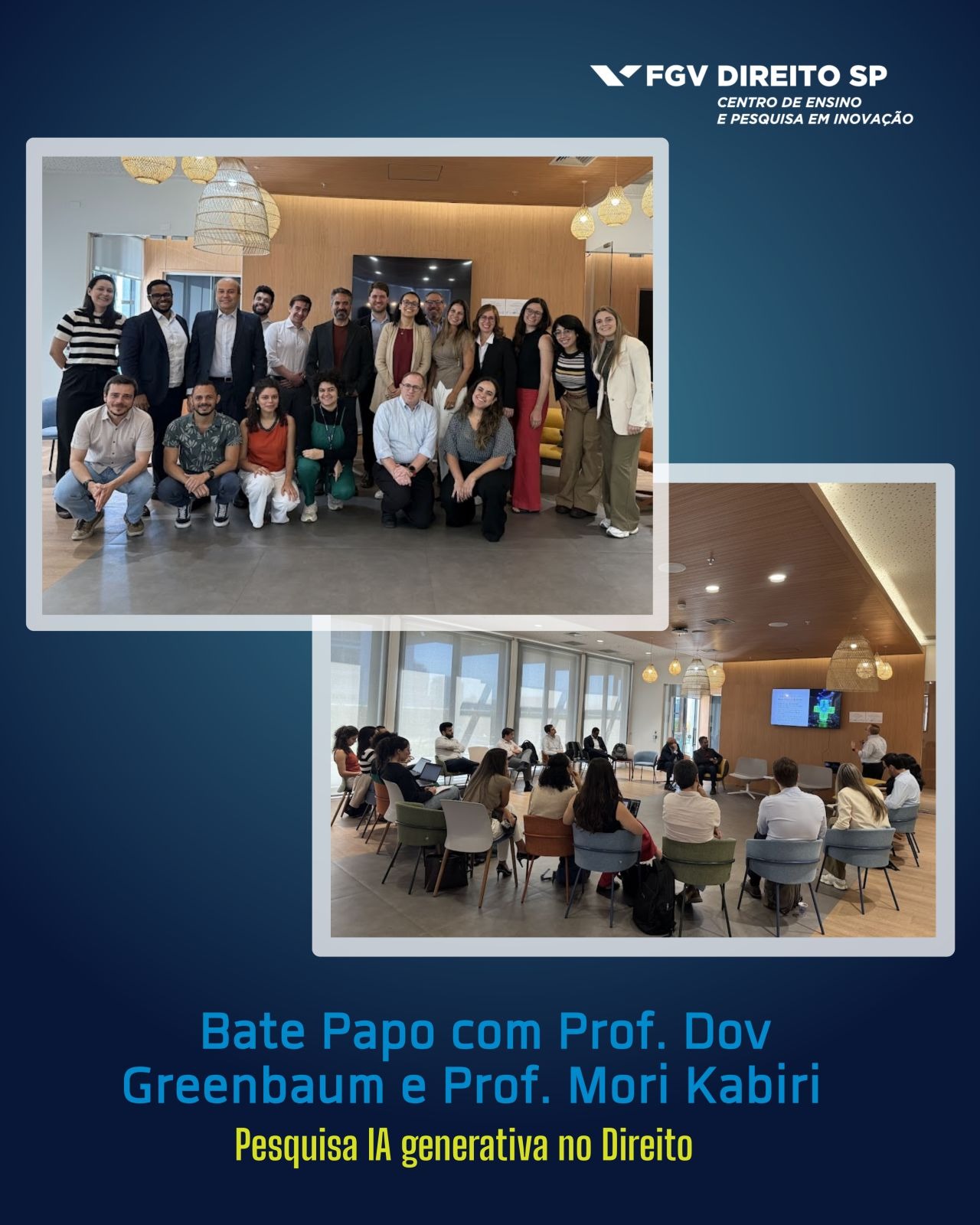
 Fundação Getulio Vargas
Future of Legal Practice in Brazil and Beyond
 University of Passau
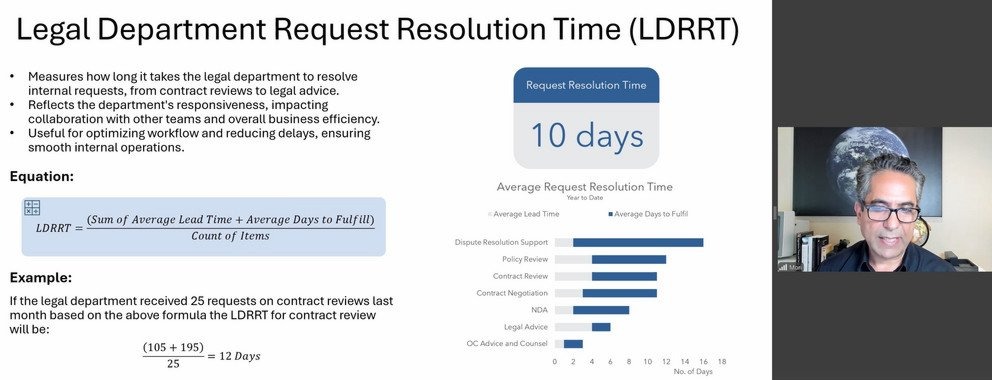
Transforming Databases into Informed Decisions
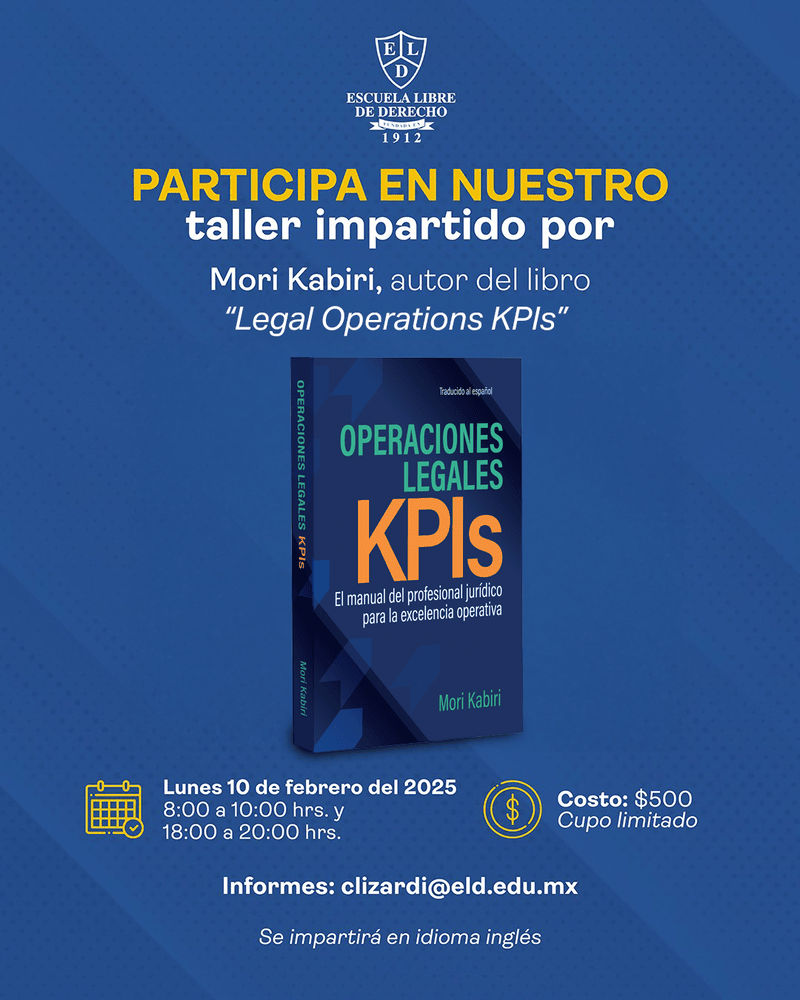
 Escuela Libre de Derecho
Herramientas prácticas para aplicar datos y métricas en la gestión legal moderna
“[La conferencia universitaria] fue magnífica. Mori impartió una sesión inspiradora y muy práctica que recibió excelentes comentarios de nuestros estudiantes.”

“[La conferencia en la Universidad de Passau] utilizó ejemplos prácticos y casos de uso para mostrar cómo la visualización de datos y el data storytelling pueden mejorar la interpretación de los análisis y apoyar mejores decisiones empresariales.”

“[El webinar universitario de Mori] abrió los ojos de los estudiantes a trayectorias jurídicas alternativas y les dio orientación práctica sobre los próximos pasos.”

“Gracias por su presentación y por su tiempo. Su perspectiva aportó un gran valor a la clase, y los estudiantes claramente aprendieron mucho y disfrutaron la sesión.”

“Gracias por la charla tan envolvente y por los insights únicos sobre Legal Operations.”


“Fue una experiencia muy positiva. Los estudiantes estuvieron comprometidos durante toda la sesión, haciendo preguntas reflexivas y contribuyendo activamente a la discusión. Nos encantaría recibirte nuevamente en otra sesión.”


“Fue un placer recibir a Mori Kabiri [en HKU] para conversar sobre su marco de KPIs para despachos de abogados y departamentos legales.”


“[La mesa redonda de FGV Direito SP] aportó valiosas perspectivas internacionales sobre los desafíos éticos, regulatorios y prácticos de la IA generativa en la profesión jurídica. La conversación conectó la experiencia global con las realidades que enfrentan los profesionales y las instituciones legales.”

“Nuestro sincero agradecimiento a Mori por ofrecer [a nuestros estudiantes de Trinity College Dublin] esta oportunidad.”

“Fue un placer recibirte. Gracias por compartir tu conocimiento con tanta generosidad. También agradecemos la oportunidad de acceder a este libro tan oportuno y relevante. Esperamos futuras colaboraciones.”

Cuéntenos sobre la institución, el curso o programa, el nivel de los estudiantes, el momento, la preferencia de entrega y los resultados de aprendizaje que busca. Le recomendaremos el formato más adecuado y el próximo paso.
 Ireland
 Colombia
 United Kingdom
 Brazil
 Germany
 Mexico
